bath mat memory foam
Bath mat memory foam represents an innovative advancement in bathroom comfort and safety. This specialized flooring solution features advanced cushioning technology designed to provide exceptional support and comfort underfoot. A bath mat memory foam is engineered with viscoelastic material that responds to body heat and pressure, molding perfectly to the contours of your feet for personalized comfort.
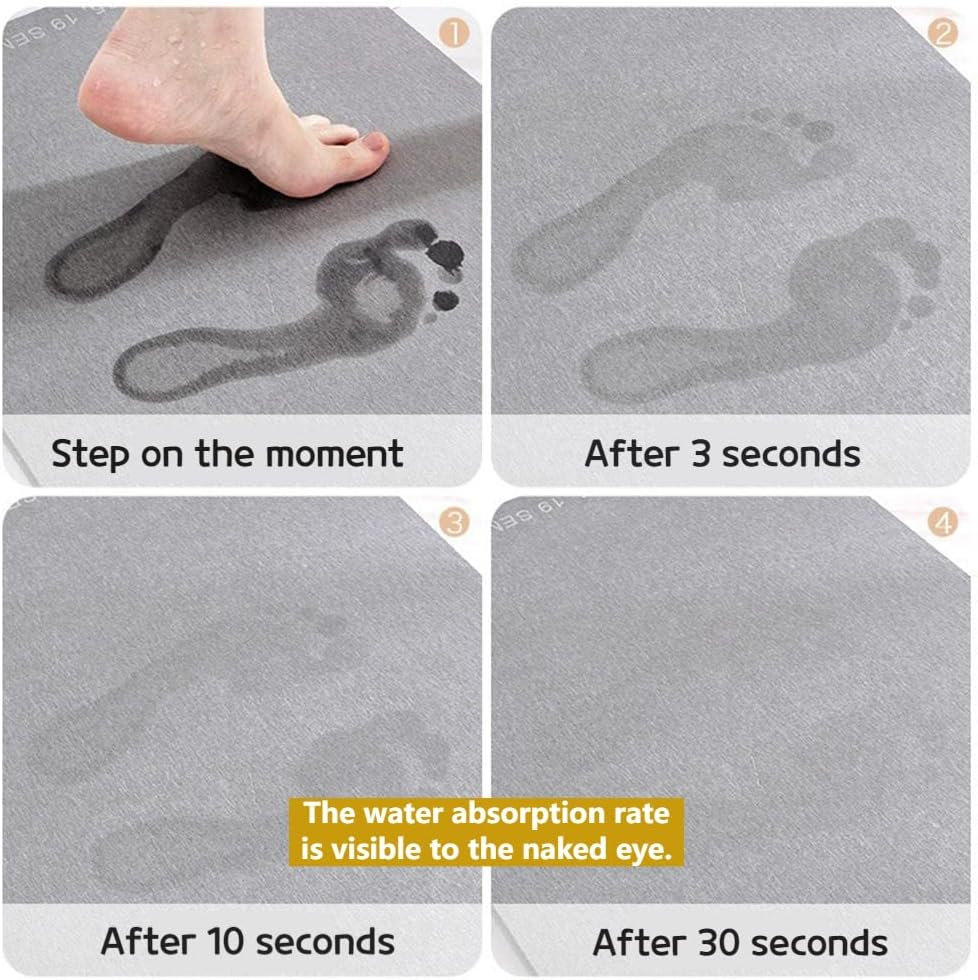
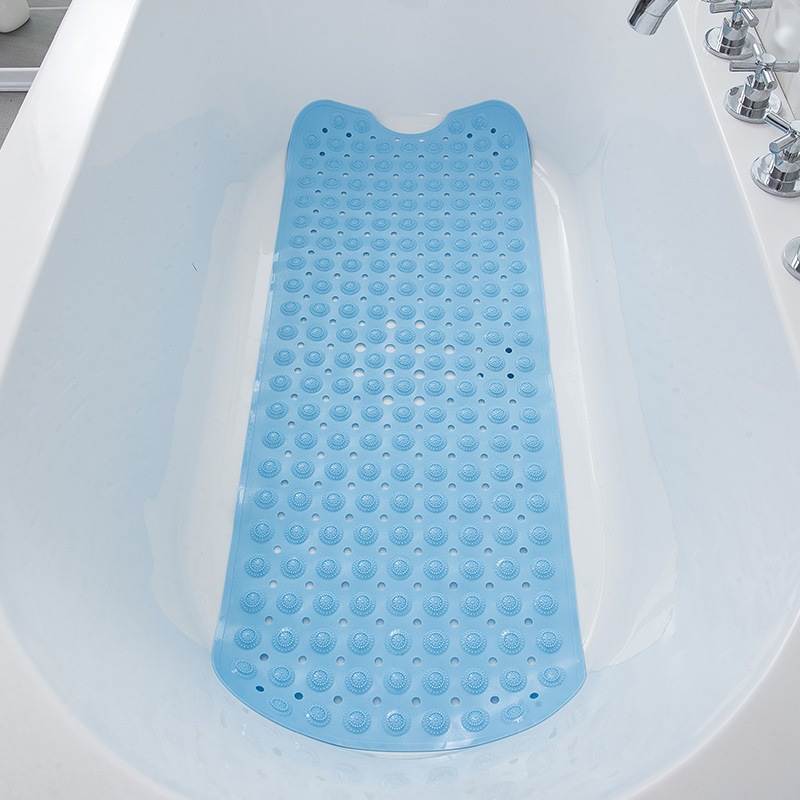
The primary function of a bath mat memory foam is to transform your daily bathroom experience by offering superior cushioning during morning and evening routines. The technology incorporates open-cell foam structure that absorbs water efficiently while maintaining its shape and resilience over extended use. Additionally, bath mat memory foam features anti-slip properties that enhance safety on wet bathroom floors, reducing the risk of accidental slips and falls.
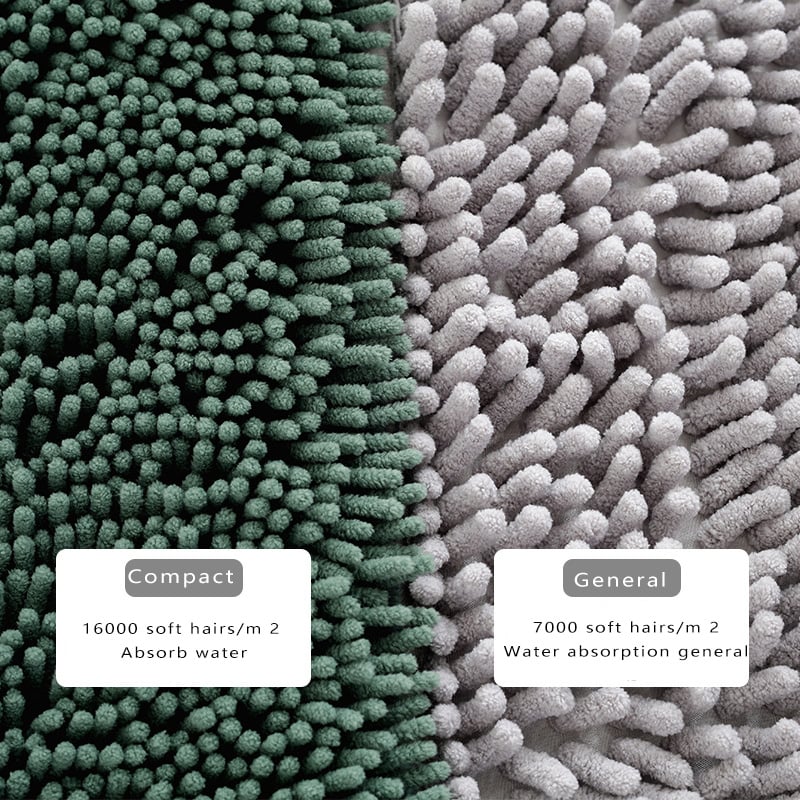
Key technological features include moisture-resistant coating, hypoallergenic materials, and quick-drying capabilities that prevent mold and mildew growth. The densely woven top surface of bath mat memory foam ensures durability while maintaining a soft, plush feel. Applications extend beyond residential bathrooms to include spas, fitness facilities, hotels, and wellness centers where comfort and safety are paramount. The innovative design ensures that bath mat memory foam performs consistently in humid environments while providing therapeutic benefits through its pressure-relieving properties, making it an essential addition to any modern bathroom setup.
 EN
EN