Premium Trash Can Solutions: Advanced Waste Management Systems with Smart Technology

All Categories

Get a Free Quote

Our representative will contact you soon.
Email
Name
Company Name
Message
0/1000

trash can

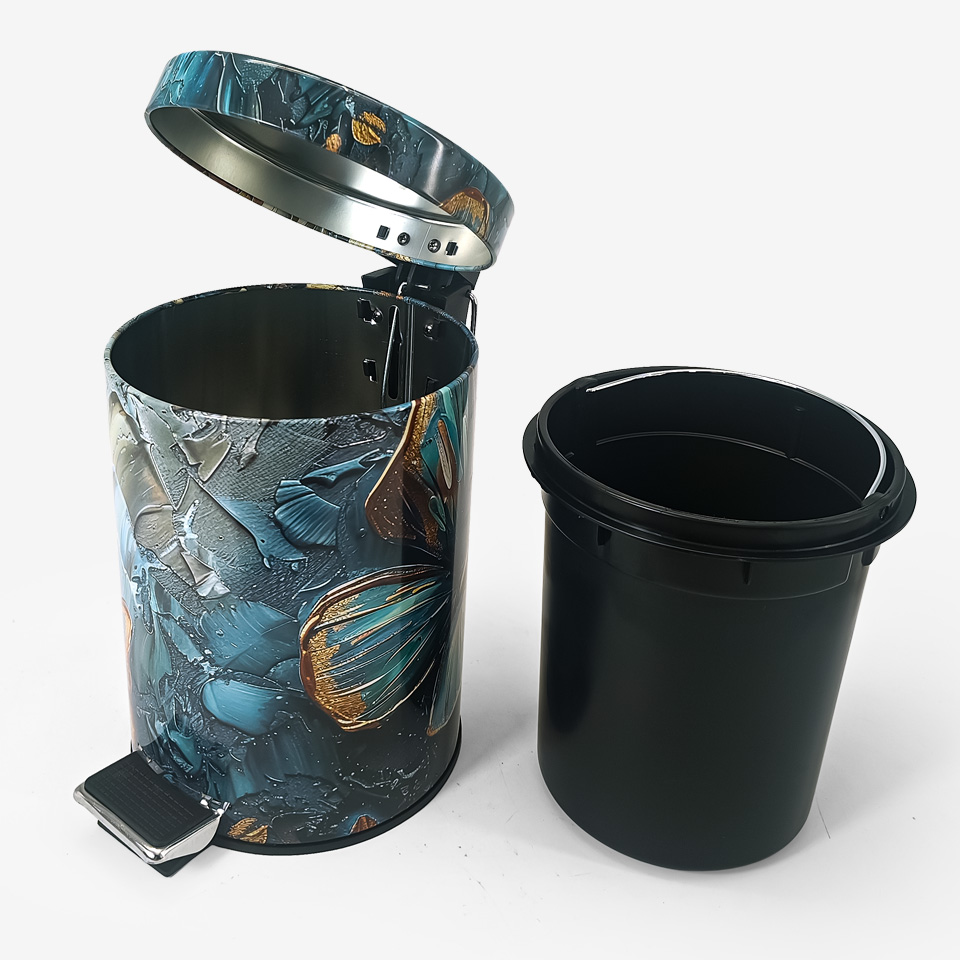
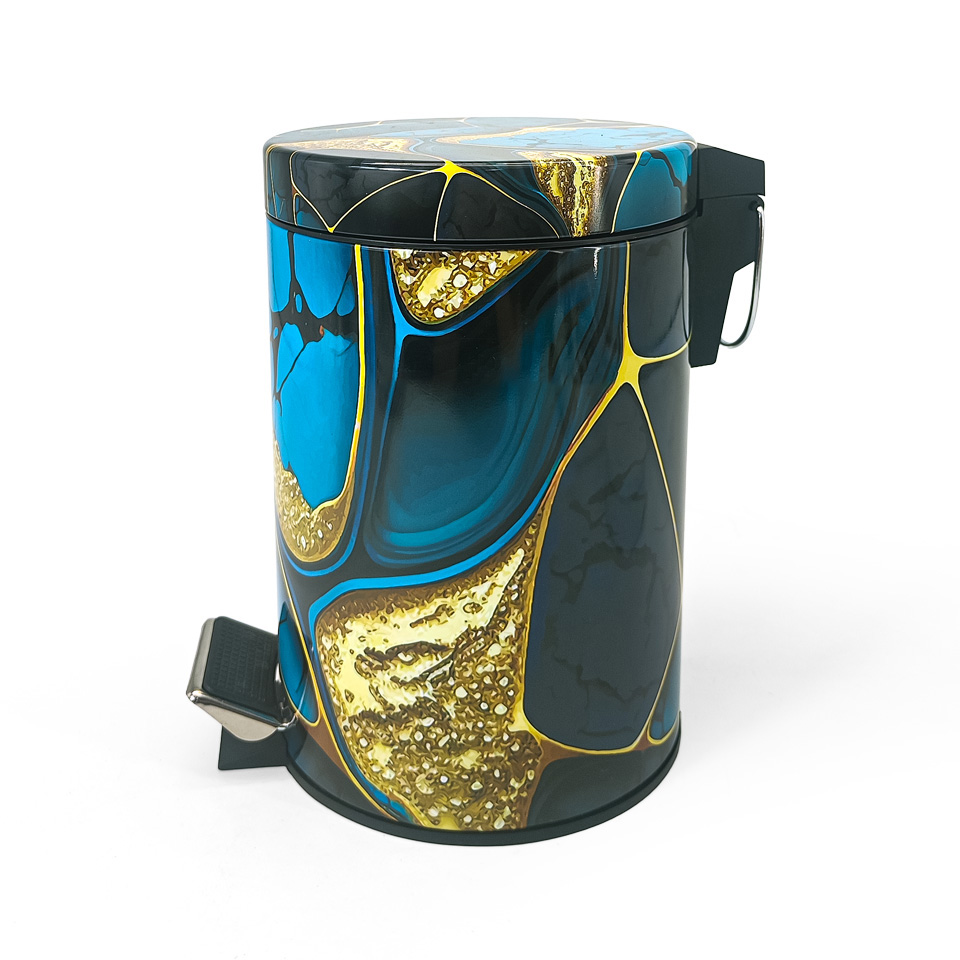
The modern trash can represents a fundamental cornerstone of waste management systems, serving as the primary collection point for household and commercial refuse. This essential sanitation tool has evolved significantly from basic receptacles to sophisticated waste management solutions that incorporate advanced materials, ergonomic designs, and innovative features. Today's trash can offerings encompass a wide range of capacities, typically ranging from compact 5-gallon models suitable for bathrooms to large 96-gallon wheeled containers designed for curbside collection. The primary function of any trash can involves secure containment of waste materials, preventing spillage, odor emission, and pest attraction while maintaining hygienic conditions in residential and commercial environments. Modern trash can designs incorporate weather-resistant materials such as high-density polyethylene, galvanized steel, and recycled plastics that withstand extreme temperatures, UV exposure, and moisture infiltration. Technological features in contemporary trash can models include foot-pedal operation mechanisms, automatic lid opening sensors, antimicrobial coatings, and integrated bag retention systems. Smart trash can variants feature compaction technology that reduces waste volume by up to 80 percent, wireless connectivity for monitoring fill levels, and solar-powered compaction mechanisms. Applications extend across residential kitchens, bathrooms, offices, medical facilities, restaurants, retail establishments, public parks, and municipal collection programs. The versatility of trash can designs accommodates specific waste types including general refuse, recyclables, organic waste, and hazardous materials through color-coded systems and specialized compartments. Professional-grade trash can models incorporate reinforced construction, heavy-duty wheels, and secure locking mechanisms to withstand commercial use demands. Indoor trash can variants emphasize aesthetic appeal with decorative finishes, coordinated color schemes, and space-efficient profiles that complement interior design themes while maintaining functional performance standards.

New Product Releases

The advantages of investing in a quality trash can extend far beyond simple waste containment, delivering tangible benefits that enhance daily life convenience, hygiene maintenance, and long-term cost savings. A well-designed trash can significantly improves household sanitation by creating an effective barrier against odor penetration, bacterial growth, and pest infiltration that commonly plague inferior waste containers. The tight-sealing lid mechanisms found in premium trash can models prevent unpleasant smells from escaping, maintaining fresh indoor air quality even when disposing of organic waste, soiled diapers, or other odorous materials. Users experience enhanced convenience through hands-free operation features such as motion sensors and foot pedals that eliminate the need for direct contact with potentially contaminated surfaces, reducing disease transmission risks and maintaining cleanliness during food preparation activities. Durability represents a major advantage as high-quality trash can construction withstands years of regular use without cracking, warping, or losing structural integrity, ultimately providing superior value compared to frequently replaced cheaper alternatives. The ergonomic design elements incorporated into modern trash can models reduce physical strain during waste disposal activities, featuring appropriate heights, easy-grip handles, and smooth-rolling wheels that accommodate users of varying abilities and ages. Time savings emerge through efficient bag changing systems, integrated tie handles, and quick-release mechanisms that streamline waste management routines and reduce daily maintenance requirements. Environmental benefits manifest through improved waste sorting capabilities, with multi-compartment trash can designs facilitating proper recycling practices and organic waste separation that contributes to sustainable living goals. The aesthetic advantages cannot be overlooked, as contemporary trash can designs complement home decor while concealing unsightly waste, maintaining clean visual environments in kitchens, bathrooms, and living spaces. Smart trash can models provide data insights into waste generation patterns, helping users optimize purchasing decisions and reduce unnecessary consumption. Professional applications benefit from enhanced productivity as employees spend less time managing waste disposal, while improved hygiene standards reduce workplace illness and associated costs.

Tips And Tricks

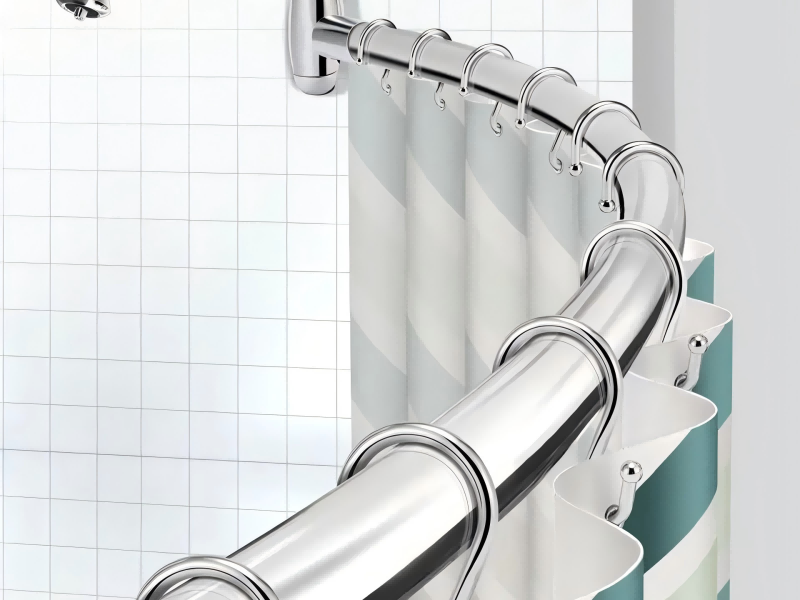
Curved Shower Curtain Rod: The Ultimate Guide to Enhancing Your Bathroom

08

Feb

Curved Shower Curtain Rod: The Ultimate Guide to Enhancing Your Bathroom

Whether you’re a bathroom enthusiast or just trying to make the most of your space, the right shower curtain rod can make all the difference. One product that has been gaining traction in recent years is the curved shower curtain rod, whic...
View More

Get a Free Quote

Our representative will contact you soon.
Email
Name
Company Name
Message
0/1000

trash can

Advanced Odor Control Technology

Advanced Odor Control Technology

The revolutionary odor control technology integrated into modern trash can systems represents a breakthrough in waste management that transforms the user experience by eliminating unpleasant smells and maintaining fresh indoor environments. This sophisticated technology operates through multiple mechanisms including activated carbon filtration, antimicrobial surface treatments, and innovative sealing systems that create airtight barriers preventing odor molecules from escaping. The activated carbon filters embedded within the trash can lid structure actively absorb and neutralize volatile organic compounds responsible for waste odors, providing continuous air purification that remains effective for months before requiring replacement. Antimicrobial coatings applied to interior surfaces inhibit bacterial growth that typically generates foul smells, while specialized polymers in the trash can construction naturally resist odor absorption, maintaining neutral scent profiles even after prolonged use. The precision-engineered sealing mechanisms incorporate silicone gaskets and spring-loaded closures that form complete barriers against air exchange, ensuring that even the most pungent waste materials remain contained without compromising indoor air quality. This technology proves particularly valuable in kitchen environments where food waste, meat packaging, and organic materials typically create challenging odor management situations. Users report significant improvements in home comfort levels, with family members no longer avoiding areas near waste containers or experiencing embarrassment when guests visit. The long-term health benefits include reduced exposure to harmful bacteria and pathogens that thrive in poorly ventilated waste environments, while the psychological advantages encompass decreased stress associated with unpleasant household odors. Professional settings such as restaurants, medical facilities, and offices benefit enormously from this odor control technology, as it maintains pleasant working conditions that enhance employee productivity and customer satisfaction. The environmental impact remains positive as effective odor control reduces the tendency to use excessive air fresheners or frequently change trash bags, minimizing chemical exposure and plastic waste generation while maintaining superior sanitation standards.
Intelligent Waste Compaction System

Intelligent Waste Compaction System

The intelligent waste compaction system incorporated into premium trash can models revolutionizes waste management efficiency by dramatically reducing volume requirements, extending bag life, and minimizing disposal frequency through automated compression technology. This innovative system utilizes precision-engineered compression mechanisms that activate automatically when waste reaches predetermined levels, applying controlled pressure that safely compacts materials without damaging the container or creating unsanitary conditions. The compaction process increases waste capacity by up to 80 percent compared to traditional trash can models, allowing users to dispose of significantly more materials before requiring bag changes or emptying procedures. Smart sensors monitor fill levels continuously, triggering compaction cycles at optimal intervals to maintain consistent compression ratios while preventing overloading that could damage the mechanism or compromise performance. The system accommodates various waste types including paper products, food packaging, lightweight plastics, and organic materials while automatically detecting items unsuitable for compaction such as liquids, glass, or hazardous substances that could pose safety risks. Users experience substantial cost savings through reduced bag consumption, as each liner accommodates dramatically more waste than conventional disposal methods, while the decreased emptying frequency translates to lower waste management service costs for businesses and reduced time investment for households. Environmental benefits multiply through decreased truck collections, reduced landfill transportation, and minimized packaging waste from fewer bag purchases, contributing meaningfully to sustainability goals. The quiet operation ensures minimal disruption in residential and office environments, with sound dampening materials and precision engineering eliminating the mechanical noise typically associated with compression equipment. Maintenance requirements remain minimal as the system features self-lubricating components, corrosion-resistant materials, and diagnostic capabilities that alert users to service needs before problems develop. Professional applications particularly benefit from this technology as restaurants, retail stores, and office buildings dramatically reduce waste management overhead while maintaining pristine cleanliness standards that enhance customer experiences and employee satisfaction.
Ergonomic Design and Accessibility Features

Ergonomic Design and Accessibility Features

The comprehensive ergonomic design and accessibility features integrated into contemporary trash can models prioritize user comfort, safety, and convenience while accommodating individuals with varying physical abilities and mobility requirements. These thoughtfully engineered features transform routine waste disposal activities from potentially strenuous tasks into effortless interactions that promote proper body mechanics and reduce injury risks. The optimal height specifications ensure users maintain natural posture during waste disposal, eliminating the bending, stooping, or reaching motions that commonly cause back strain and joint discomfort, particularly important for elderly users, pregnant individuals, and those with mobility limitations. Wide-opening lids with lightweight construction minimize force requirements while providing generous access openings that accommodate large items without struggling or multiple attempts that could result in spills or accidents. Smooth-rolling wheel systems with precision bearings enable effortless transportation even when fully loaded, while ergonomic handle designs feature comfortable grips that distribute weight evenly and reduce hand fatigue during movement operations. The hands-free operation capabilities through motion sensors and foot pedals eliminate the need for direct contact with potentially contaminated surfaces, particularly valuable for individuals with compromised immune systems or strict hygiene requirements. Visual accessibility enhancements include high-contrast color schemes, clear labeling systems, and intuitive design elements that assist users with visual impairments or cognitive processing differences in proper waste sorting and disposal procedures. The stability features incorporating wide base designs and low center-of-gravity engineering prevent tipping accidents that could create safety hazards or cleanup requirements, while secure lid attachment systems ensure components remain connected during transport or cleaning activities. Professional environments benefit significantly from these accessibility features as they reduce workplace injury risks, accommodate diverse employee needs, and maintain compliance with disability accommodation requirements while enhancing overall productivity. The thoughtful integration of these ergonomic elements demonstrates how modern trash can design prioritizes human factors engineering, creating solutions that serve users effectively regardless of age, ability level, or physical constraints while maintaining superior performance standards.

Get a Free Quote

Our representative will contact you soon.
Email
Name
Company Name
Message
0/1000
email goToTop