diatom jord steen dusjematte
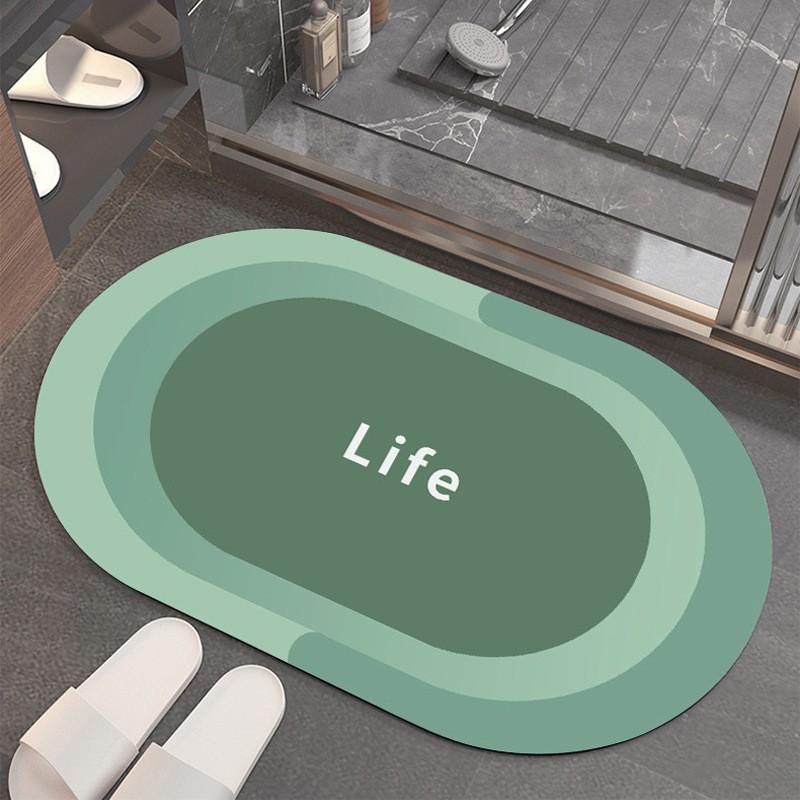
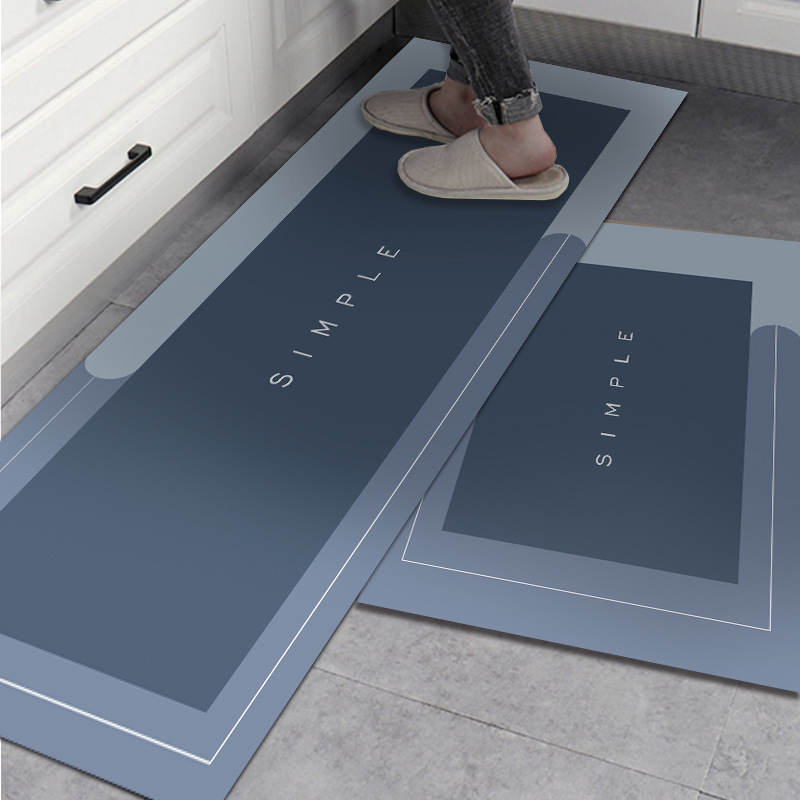
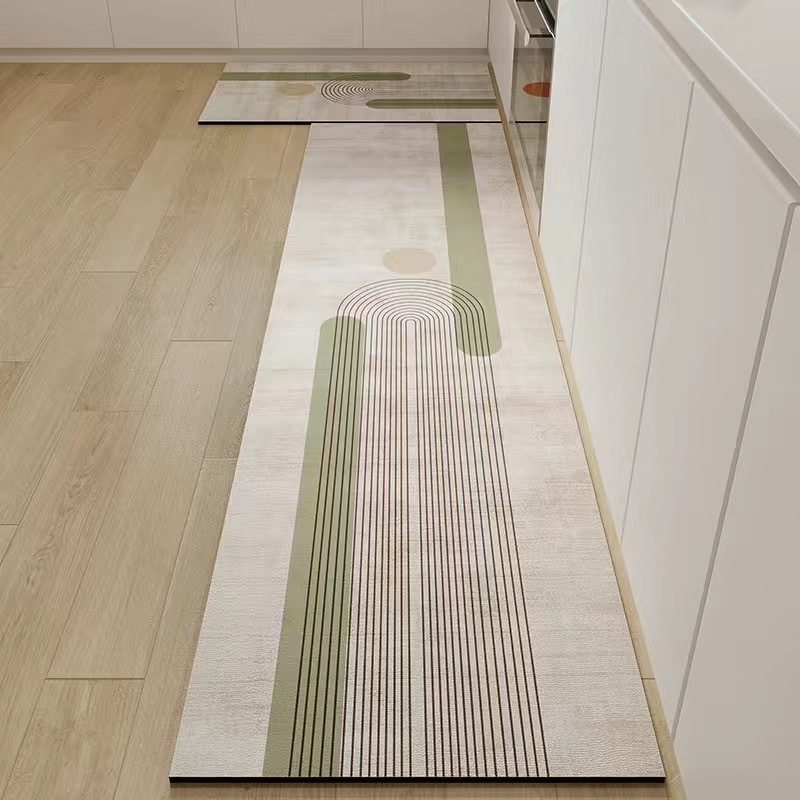
Bademåtter af diatomjord er en innovativ løsning til moderne badeværelser og kombinerer naturlige materialer med praktisk funktionalitet. Disse bademåtter af diatomjord fremstilles af fossiliserede rester af diatomer og udgør et let, men samtidig holdbart produkt, der transformerer din daglige badrutine. Bademåtter af diatomjord har fremragende evner til at absorbere vand og suger fugt hurtigt væk fra dine fødder og gulvet i badeværelset. Teknologisk avancerede udnytter disse måtter den porøse natur af diatomjord til effektivt at fange vandmolekyler, hvilket forhindrer glatte overflader og reducerer risikoen for at sklide. Den naturlige sammensætning af bademåtter af diatomjord gør dem til et miljøvenligt alternativ til konventionelle gummi- eller syntetiske muligheder. Disse måtter bevares intakte selv ved hyppig brug og udsættelse for fugt og modstår naturligt dannelsen af skimmel og mug. Bademåtter af diatomjord forekommer i forskellige størrelser og design og kan dermed tilpasse sig forskellige badeværelseslayout og æstetiske præferencer. Anvendelsesområderne strækker sig ud over private badeværelser til spa-faciliteter, hoteller og kommercielle virksomheder, der søger bæredygtige alternativer. Bademåtter af diatomjord er så lette, at de er nemme at håndtere, men samtidig så stabile, at de egner sig til daglig brug. Deres naturlige termiske egenskaber giver en behagelig, ikke-kold overflade under fødderne og forbedrer den samlede oplevelse i badeværelset. De er tilgængelige i neutrale jordtoner og passer nahtløst ind i enhver badeværelsesindretning.
 EN
EN